Lurk Laugh Loath Skeleton Halloween SVG: Embroidery Review
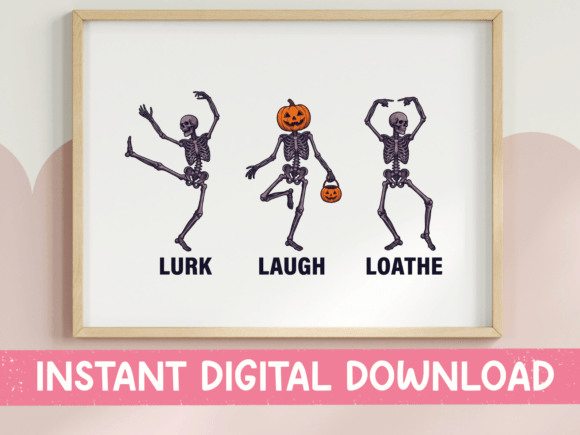
I opened the Lurk Laugh Loath Skeleton Halloween SVG file expecting yet another generic Halloween graphic. Instead, I found three illustrated skeletons with real personality, each frozen in a dynamic pose that almost tells a story. It is obviously made for the Halloween crowd that leans spooky rather than cutesy, and right away I knew this design would spark conversation if stitched onto something wearable. As an embroidery designer and reviewer, I am not just looking at how a file previews on a screen. I think about how those bony arms and quirky labels will actually read after thread hits fabric, how a customer will react, and where this design belongs in a handmade product lineup.
First Impressions: A Spooky Trio with Personality
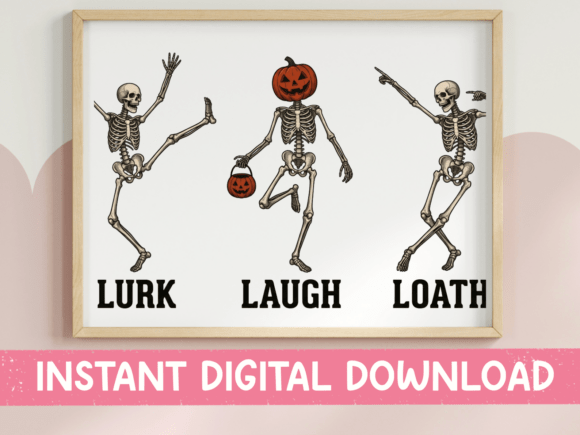
The composition is simple but clever. Three distinct skeleton characters sit against a clean white background, and each one is labeled in bold typography: Lurk, Laugh, Loath. The pairing of a slightly unsettling theme with playful words gives the Lurk Laugh Loath Skeleton Halloween SVG a mood that sits somewhere between ironic Halloween humor and subtle goth attitude. It does not scream horror, so it stays accessible for a wide range of buyers, from teenagers customizing their hoodies to adults who want a not-so-basic seasonal tote bag. The poses are expressive without being overly complex, which is critical when I am mentally converting that image into an machine embroidery design.
From Screen to Stitch: How the Design Translates
When I evaluate a graphics file for embroidery, my first check is always line weight and detail density. These skeletons have enough open space within their ribcages and limbs that a good digitizer can create a clean fill stitch with well-placed satin stitch outlines. The bold labels underneath each figure are another strength. Small text is often a nightmare in embroidery files, but here the lettering is chunky enough that it will hold up even on slightly textured fabrics. I could see a crisp running stitch working beautifully for the text, or a delicate satin stitch for a more polished finished product. Of course, the original SVG is just a vector file, so you or your digitizer will need to convert it into a proper digital embroidery file for your specific hoop and fabric.
Skeleton Details and Stitch Readability
One concern that always crosses my mind with skeleton imagery is the fingers. Thin bones can turn into a jumbled mess if the stitch density is too high or the hoop size too small. In the Lurk Laugh Loath Skeleton Halloween SVG, the hands are stylized but not overly delicate. I imagine stitching this out at a four-by-four-inch size or larger on a sturdy cotton tote bag and still keeping those little finger joints visible. For a baby onesie or a small embroidered patch, you would want to scale up the design slightly and simplify any especially thin connective lines. I always test a new design on scrap fabric first, and I recommend the same here. Watch how the limb outlines connect and whether the eye sockets need a slightly looser density to prevent puckering.
Product Pairings That Make Sense
I mentally walked through my usual product lineup while studying this skeleton trio. It practically begged me to drop it onto a black sweatshirt. The contrast of white or glow-in-the-dark thread against a dark background would make the bones pop and instantly elevate a custom apparel piece. I also pictured a series of canvas tote bags for a boutique Halloween pop-up, each featuring one skeleton or the full trio across the front. The t-shirt designs category is the natural home for this graphic, but as an embroidery piece it becomes far more tactile and premium. A handmade product like a kitchen towel set with these figures stitched in monochrome would feel surprisingly classy for October decor. I even imagined it as a gift: a personalized sweatshirt for a friend who finds humor in the morbid.
Custom Apparel and Tote Bags
If you sell custom apparel or run a small shop on Etsy, you know how hard it is to find Halloween designs that are fun but not childish. This one hits the mark. A unisex pullover hoodie with the Lurk Laugh Loath trio across the chest in a sturdy satin stitch would attract buyers who want subtle seasonal spirit. The design also sits well on a tote bag; the horizontal layout of three side-by-side figures fits the natural shape of a standard tote bag design. For a craft fair product, I would probably stitch just one skeleton per small tote and offer all three as a set. It instantly creates a cohesive boutique branding feel.
Patches, Caps, and Small Accents
Making embroidered patches from this design is another straightforward option. Because each skeleton is distinct, you can separate them into individual patches for jackets, backpacks, or caps. Keep in mind that the curved surface of a cap can distort text, so if you plan to use the labeled version on a hat, test placement carefully and consider subtracting the text for an even cleaner look. A baby embroidery application is also possible, but I would soften the color palette: think dusty lavender bones on a heathered gray onesie rather than stark black and white. That tiny product swap transforms the mood completely and widens the audience.
Fabric and Thread Choices for Best Results
The fabric texture you choose is going to heavily influence how well this design performs. Smooth tightly woven cottons and canvas will give you sharp detail. Stretchy or loosely knit fabrics, like T-shirt jersey, require a solid stabilizer to keep the skeleton outlines from shifting during stitching. I often use a cut-away stabilizer for knits and a tear-away for woven totes and towels. Dark fabric is a friend to this design, but on light backgrounds you will want to audit your thread colors closely. Black thread on a white sweatshirt can look great, but low-contrast thread like heather gray on oatmeal fabric might wash out the bony ribcages. Test both light and dark fabric swatches and snap photos in natural light before committing to a full production run.
Testing and Prep Work Before Committing
Every time I add a new design to my embroidery library, I build a small testing ritual. For the Lurk Laugh Loath Skeleton Halloween SVG, that means running a stitch-out on medium-weight cotton with a medium hoop size first, then evaluating the detail clarity. I always check stitch density in the narrowest skeleton arms and the letter openings. Sometimes a design that looks brilliant in a printable mockup needs a few tweaks in the digitizing stage. I also flip the design to black and white on screen to simulate how it might read without color, because many customers prefer monochrome embroidery. In black and white, these skeleton poses remain instantly recognizable, which is a huge plus for a holiday embroidery piece that might be washed dozens of times over the years.
Commercial Use and Business Thinking
If you are an Etsy seller, a craft business owner, or a digital product seller who plans to stitch this out on items for sale, you need to look beyond the design itself. Confirm whether the file’s license permits commercial embroidery use on physical products. Even if the original listing focuses on t-shirt designs and graphics, what matters is whether you can sell the finished stitched item. Do not assume. I always reach out or read the fine print before I drop a new design onto my store shelves. When used legally and thoughtfully, this skeleton trio can boost your small shop product range with something memorable that stands out from the sea of pumpkin and ghost motifs.
Final Thoughts on the Stitched Outcome
I closed my test folder feeling genuinely pleased. The Lurk Laugh Loath Skeleton Halloween SVG brings a dry, slightly sarcastic Halloween spirit that translates nicely into thread. It is forgiving enough for an intermediate embroiderer yet interesting enough for a professional boutique product. It packs enough detail to look premium without crossing into fragile territory. For a personalized gift, a custom tote bag, or a seasonal line of sweatshirts, this design is a strong choice. The key is respecting the digitizing process, choosing the right fabric and stabilizer, and testing until you are confident. I would happily hand a stitched sample to a customer and know they would smile before they even notice the neatness of the satin stitch. That reaction is always worth the extra prep.
If you are curating a Halloween collection for your handmade product lineup, this skeleton trio deserves a spot on your shortlist. With the right finishing, it can move from an amusing digital embroidery file to a product that actually sells. Just remember: test on your actual fabric, check your hoop space, and make sure your thread palette works for the mood you want to create. A little preparation goes a long way toward turning a clever SVG into an embroidery piece that feels truly finished and professionally styled.